
Scranton Estate Administration Lawyer
Free Consultation
Estate Administration Lawyer Scranton, PA
A Scranton, PA estate administration lawyer knows that over the years, the dynamic of families is much different than it was decades ago. Today, especially with the high rate of divorce and remarriage, families are often blended – made up of biological children and stepchildren. At Hoegen & Associates, P.C., we have experience working with all kinds of families in coming with the best estate plan for each family’s circumstances.
Studies on Blended Families and Wills
Multiple studies have been conducted on blended families and estate planning. One major study was conducted by the National Bureau of Economic Research, examining just how parents are dividing up their estates when they have biological children and stepchildren and how these relationships affect the amount of those inheritances.
Although one may think that having stepchildren would result in an unequal bequest to their non-biological children, the study showed that it was only a factor in about 30 percent of parents surveyed. The majority of survey participants reported that their stepchildren received equal – or in some cases – even additional assets over their biological children.
There were also parents surveyed that did not have stepchildren but reported uneven asset distribution among their biological children. The rate of this occurring almost doubled if the parents had not had contact with their children for more than a year. Adult children who stayed close to their parents were more likely to inherit more than children who stayed away.
This bonding time also applied to stepchildren. If parents spent more bonding time with their stepchildren that had been in their lives for at least a decade than their biological children, that stepchild is more likely to be included in the parent’s will.
Alarming Statistic
One troubling statistic that emerged from this survey was that two out of every five participants admitted they did not have a will drafted. Even though failure to have a will could affect their stepchildren’s entitlement to inherit anything from the parent’s estate, the most common reason giving for this lack of a will was their unease at contemplating their own death. Current law does not make provisions for any children other than biological children’s rights to their parent’s estate if the parent failed to have a will specifying their wishes.
Another important factor, especially if your children and stepchildren are minors, is that a will is also where parents name who they wish to be named as their child’s legal guardian should something happen to them. Should something happen to you and your spouse, if you don’t have a legal guardian named, the court will do it and the person they choose may not be the same person you would have chosen.
Contact an Estate Lawyer for More Information
You are never too young to make a will. All parents, whether your child is biological, adopted, or a stepchild should consider meeting with a skilled Scranton, PA estate administration lawyer to find out what type of estate planning options you may have. If you would like to learn more, call Hoegen & Associates, P.C. to schedule a free consultation.
Types Of Scranton Estate Administration Cases We Handle
 Estate administration covers a lot more than just reading a will and handing out belongings. Settling someone’s estate means dealing with the courts, creditors, taxes, and sometimes family members who aren’t on the same page. Our Scranton estate administration lawyer has helped families work through all kinds of estate situations across Pennsylvania, and below is a look at the types of cases we handle most often.
Standard Probate Administration
When someone passes with a valid will, and the family is cooperative, probate can move through the courts without much trouble. We handle the filings, creditor notifications, and final distributions so the personal representative isn’t fumbling through unfamiliar paperwork during a hard time.
Estates Without A Will (Intestate Estates)
When someone dies without a will, Pennsylvania’s intestacy laws take over to decide who gets what. A knowledgeable Scranton estate administration lawyer can walk the family through those rules and handle the additional court steps that accompany intestate estates.
Contested Wills
Not every will turns out to match what the family expected. When concerns arise about undue influence, capacity at the time the will was signed, or even questions about whether the document is genuine, we represent clients on both sides of these disputes.
Serving As Counsel To Personal Representatives
Being named personal representative comes with real legal duties, and folks don’t always realize what they’re signing up for. We guide executors and administrators through their responsibilities, help them keep proper records, and step in when beneficiaries start asking hard questions.
Trust Administration Matters
Trusts are often used to skip probate, but the trustee still has to actually do the job. We help trustees fulfill their legal duties and handle situations in which beneficiaries raise concerns about how a trust is being managed.
Disputes Between Beneficiaries And Executors
When beneficiaries feel the person in charge of the estate isn’t doing right by them, conflicts get heated. We take on both sides of these fights, whether that means defending executors facing unfair accusations or pushing back against executors who really are mismanaging things.
Creditor Claims And Debt Resolution
Estates have to deal with the debts the deceased left behind, and not every creditor claim is valid. We help personal representatives evaluate incoming claims, pay legitimate ones, and challenge those that shouldn’t be honored.
Real Estate In Probate
When an estate includes a house, a vacation property, or a rental property, the process becomes more involved. We handle the transfers, sales, and title work required to properly move real estate through probate under Pennsylvania law.
Small Estate Administration
Pennsylvania allows a streamlined process for smaller estates that can save families time and legal costs. We check whether your situation qualifies and handle the simplified procedures if it does.
Blended Family Estate Issues
Blended families bring their own challenges to estate administration, especially when stepchildren are involved or when an old will hasn’t kept up with current relationships. We help sort out these situations and protect the interests of the right parties.
Ambiguous Language In Wills And Trusts
Sometimes the wording in estate documents is open to more than one interpretation, which leads to arguments over what was really meant. We help get courts to rule on these interpretation issues so the administration can move forward.
Guardianship Matters For Minor Children
Part of estate administration may involve establishing guardianship for minor children left behind. We handle these proceedings alongside estate matters to ensure the children are properly cared for during the transition.
Estate Tax Planning And Filings
Pennsylvania has its own inheritance tax, and the federal estate tax may also come into play for larger estates. We work through all tax obligations to ensure the estate meets its duties without paying more than it owes.
Forcing Proper Accountings
Beneficiaries have the right to see where estate money is going. When the numbers don’t add up, or the executor becomes evasive, we step in to compel a proper accounting and challenge any suspicious transactions.
Power Of Attorney And Healthcare Directive Disputes
Sometimes estate administration includes questions about decisions made while the person was still alive, under a power of attorney or a healthcare directive. We handle disputes about whether those decisions were proper or whether someone overstepped.
Business Interests In The Estate
When the deceased owned a business, determining what happens to it is part of the estate administration. We sort out valuations, transfers, and continuing management questions so the business doesn’t fall apart during the process.
Reach Out For A Free Consultation
Estate administration is complicated enough without trying to handle it alone while also dealing with the loss of someone close to you. Hoegen & Associates, P.C. has been serving Pennsylvania families since 1971, bringing over 55 years of firm experience to estate and probate matters. The firm offers free consultations to folks navigating these situations, so there’s no cost to finding out how to move forward. When you’re ready to talk through your situation, reach out to our Scranton estate administration lawyer to schedule a complimentary consultation.
Reasons To Develop An Estate Plan
A Scranton estate planning lawyer holds the tools necessary to ensure that a concrete and well-thought-out estate plan is developed. Because of this, it’s crucial for those who don’t have a plan in place to strategically develop a plan for the future. Estate planning with an experienced professional can ensure that their plans for the future are protected and carried out in the way that they were intended. An estate plan is far more advantageous than many realize and far more comprehensive than a will. A last will and testament is merely one tool available for those developing a plan. With a lawyer, it’s possible to create a plan that allows the testator to define their wishes for the future clearly. The following are common reasons Hoegen & Associates, P.C. shares that an estate plan should be considered:
#1. Protect Assets from Probate
When a person passes away, the probate process is a required legal process that validates the will and appoints the executor. Most importantly, all estates will be required to pass through probate. This can be particularly stressful for families concerned about their inheritance being depleted through the probate process or their private affairs being exposed to anyone who bothers to look. However, probate doesn’t have to be a feared process. With proper planning, it’s possible to prevent the number of assets that will pass through probate.
#2. Prevent Familial Conflict
When a person passes away without outlining their plans for the future, loved ones will want a voice in the process. As a result, everyone will think they know what the person who has passed would have wanted. Unfortunately, this can be highly problematic, breeding conflict within the family, which could become a costly and lengthy legal process. It’s important to note that even with an estate plan in place, it will be necessary to discuss these plans with family and loved ones so they can have the opportunity to ask questions and clearly understand what your wishes would have been.
#3. Clearly Outlines a Plan for Children
One of the most important reasons to have an estate plan is to ensure that children are properly cared for should neither parent be able to care for the child. When a person dies without an estate plan, the court will help make these critical decisions. Conflict may ensue without a plan, especially when families are not in agreement over who will care for the children. An estate plan can allow a person to appoint guardianship over their children, plan for them financially, and outline a plan for their future care.
The Role of the Estate Administrator
When a person develops their estate plan, one of the most critical decisions that must be made is to appoint someone to oversee their estate and carry their wishes out accordingly. An estate administrator or executor is legally appointed to resolve the estate, pay debts and taxes, and distribute assets to beneficiaries. It’s essential to be aware that this is not a role that should be taken lightly. When a person is developing their estate plan, they should take the time to appoint someone they trust carefully but who is up for taking on this significant responsibility.
While developing a plan for the future can seem like a hefty one, one to put off for another day, this is not recommended. By taking the time to outline future wishes, a person can ensure that they have planned for a time when they can no longer make decisions on their own. To learn more about the services offered by our Scranton estate planning lawyer from Hoegen & Associates, P.C., schedule a consultation as soon as possible.
Scranton Estate Administration Infographic

Scranton Estate Administration Statistics
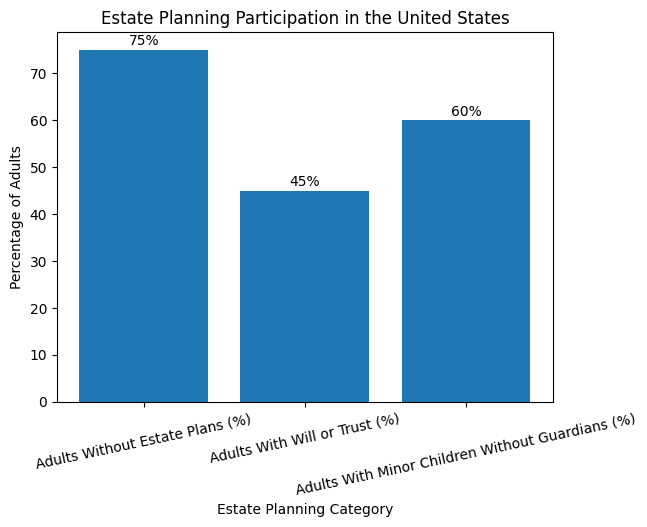
Estate planning statistics show that a large portion of adults in the United States (approximately 75 percent) have not created formal plans to manage their assets or healthcare decisions. Survey data indicates that fewer than half of U.S. adults have a will or living trust, leaving millions of families without clear legal guidance when a loved one dies. Among adults with minor children, a significant share have not named a legal guardian, increasing the risk of court involvement in family decisions.
Estate planning participation varies by income, age, and education level. Higher-income households and older adults are more likely to have estate plans in place, while younger adults and middle-income families often delay planning due to cost concerns, uncertainty, or the belief that planning is unnecessary. Despite these delays, most respondents acknowledge that having an estate plan provides peace of mind and reduces stress for loved ones.
A common barrier to estate planning is the misconception that it is only for the wealthy. In reality, estate plans are frequently used to appoint guardians, manage healthcare decisions, protect beneficiaries, and streamline asset distribution. Without proper planning, estates may be subject to probate delays, intestacy laws, and increased legal costs.
Frequently Asked Questions About The Process Of Drafting A Will
Planning your estate can feel overwhelming, but creating a will is one of the most important steps you can take to protect your loved ones and ensure your wishes are followed. A well-drafted will allows you to decide how your assets will be distributed, appoint guardians for minor children, and establish other important instructions. Working with a Scranton, PA estate administration lawyer can make this process more straightforward and help avoid potential legal issues.
What Is Probate And How Does It Affect My Will?
Probate is the legal process of proving and validating a will after someone has passed away. It involves the court overseeing the distribution of assets and settling any debts. If you have a valid will, probate typically ensures your wishes are carried out as written. However, probate can take time, and some assets may be tied up until the process is complete. Having a well-structured will can make probate smoother, reducing potential delays or disputes.
How Do I Create A Living Trust?
A living trust is a separate legal document that can be used in addition to a will. Unlike a will, a living trust takes effect during your lifetime and allows you to transfer ownership of your assets into the trust. You continue to manage those assets while you’re alive, and after your death, the trust transfers them to your beneficiaries without going through probate. To create a living trust, you would need to name a trustee, detail how your assets should be handled, and transfer ownership of the assets to the trust. Our Scranton estate administration lawyer will share that this option can provide more control over your assets and bypass the probate process entirely.
Can I Appoint A Financial Power Of Attorney In My Will?
A financial power of attorney cannot be appointed in a will, as it is a separate legal document. The financial power of attorney allows you to designate someone to make financial decisions on your behalf while you are still alive but incapacitated. A will, on the other hand, only goes into effect after your passing. It’s important to have both documents in place, as they serve different purposes. Including a financial power of attorney as part of your overall estate plan is a good way to ensure your finances are handled according to your wishes if you are unable to do so.
What Is The Difference Between A Will And A Living Will?
A will and a living will serve distinct functions. A will outlines how you want your assets distributed and may also address guardianship and other final wishes. It goes into effect after death. A living will, however, is a document that expresses your wishes regarding medical treatment if you become unable to communicate or make decisions. It’s typically used in situations where end-of-life care or medical interventions are involved. Having both a will and a living will ensures that your financial and medical decisions are clearly documented and respected.
How Long Does It Take For A Will To Go Through Probate?
The time it takes for a will to go through probate can vary depending on several factors, such as the complexity of the estate, whether the will is contested, and the court’s schedule. On average, the probate process can take anywhere from a few months to over a year. A clear and properly executed will may help speed up the process, but if any disputes arise or there are complications in distributing the assets, probate may take longer. It’s important to discuss these potential timelines with a legal professional to better understand what to expect.
Getting Help With Your Estate Planning
Drafting a will is an essential part of estate planning, and having the right guidance can make the process smoother. Since 1971, Hoegen & Associates, P.C., has assisted clients with their estate planning needs. If you’re looking for advice or want to get started with a Scranton estate administration lawyer, contact us today. We’re ready to help you create a plan that provides peace of mind and security for your loved ones by offering you a complimentary consultation.
Helping Your Business Thrive
Contact our office today to schedule a free initial consultation.
Schedule Your Free Consultation Today!
Request a meeting with one of our esteemed attorneys to review your case and learn what your legal options are.

At Hoegen & Associates, P.C., our attorneys have years of experience serving businesses throughout Wilkes-Barre, PA and across the country. Our areas of practice include commercial, construction, and real estate law. Learn how we can support your goals, assist with dispute resolution, and protect your business’s bottom line.